Not Entered
THESE VEHICLES DO NOT COMPLY WITH C.M.V.S.S.1105- EVAPORATIVE EMISSIONS.
 recheck.caVehicle Research
Canadian recalls & official vehicle records
Evidence updated Nov 17, 2026 · Sources
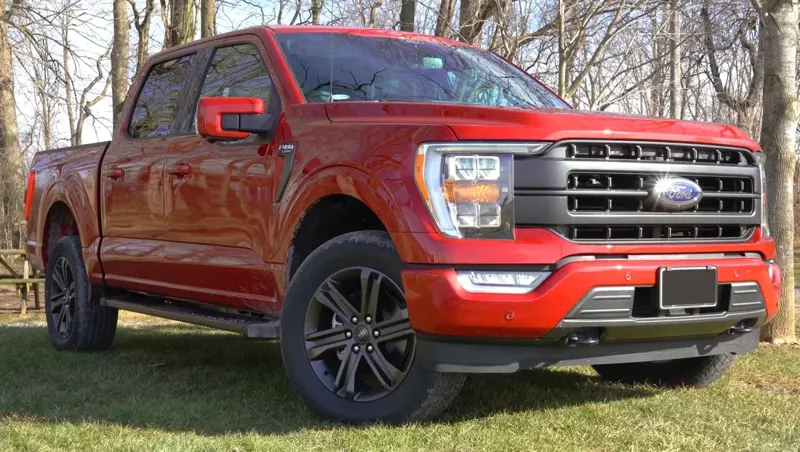
Explore matching dealer listings in Canada. CAD prices · kilometres · Quebec excluded.
Open this section to check available listings. No listing request is made until you open it.
Coverage, without substituted US totals.
Canadian complaint totals are not available in Recheck’s current dataset. This does not mean there are no complaints.
Canadian recalls come from Transport Canada and efficiency ratings from NRCan. US complaints and bulletins are optional context below; they do not establish Canadian applicability.
Report a Canadian safety concern ↗Source configurations, without assumed specifications.
| Research market | Canada |
|---|---|
| Model year | 1986 |
| Recall source | Transport Canada |
| Efficiency configurations | No exact match |
| VIN repair status | Check with manufacturer |
Canadian archive snapshot, including historical or superseded records.
THESE VEHICLES DO NOT COMPLY WITH C.M.V.S.S.1105- EVAPORATIVE EMISSIONS.
Model-year recalls do not establish repair completion.
Confirm open recalls with the manufacturer and ask a dealer whether the repairs are complete. Recheck’s VIN decoder identifies the vehicle; it does not provide recall repair status.
Canadian recall and VIN lookup guidance ↗Explore documented Ford F-150 records.
Totals reflect different time on the road and configurations. Fewer reports do not establish greater reliability.
What to investigate first for the 1986 Ford F-150.
1 matched Canadian recall campaign. Start with the notices below and confirm applicability and repair completion for your VIN.
Canadian owner complaint totals are not available in our dataset. This is not a zero-complaint finding.
Research Canadian recalls below. Optional US complaint context is separate and does not establish Canadian experience.
Take a tailored checklist to your mechanic →Coverage boundary: Canadian archive snapshot Exact normalized make/model/year safety matches. Efficiency retains explicitly named source configurations; spelling/configuration differences may exclude records. US complaint counts do not establish Canadian experience or the probability of a defect.
Accident history, current mechanical condition, ownership, liens, individual recall applicability, repair completion and battery health are not established by this model-year report. No failure rate or reliability score is calculated from raw complaint totals.
Official source configurations. No trim is assumed.
No exact vehicle configuration match in the imported efficiency dataset. No estimate is substituted.
Check the current official Transport Canada register.
Canadian investigation records are not imported into this report. Check the official register for affected vehicles, investigation details and current status; no match or status is implied here.
Look up Canadian investigations ↗Questions to take to a seller or qualified mechanic.
A research brief for the 1986 Ford F-150, built from this report.
Source report: https://recheck.ca/ca/cars/ford/f-150/1986/
These are US records. Models, equipment, campaigns and driving conditions can differ. Counts are not Canadian complaint totals, verified reviews or reliability ratings.
US NHTSA complaints for the 1986 Ford F-150.
US context, not Canadian complaint counts. NHTSA documents known discrepancies in its bulk complaint file. Consumer allegations are not confirmed defects. One complaint can mention several categories. Counts are not failure rates.
US complaints by filing month, latest 12 observed months.
A month with no bar is not evidence that no problems occurred. Publication and reporting delays affect totals.
| 2000-06 | 1 |
|---|---|
| 2000-09 | 1 |
| 2000-10 | 3 |
| 2001-05 | 1 |
| 2001-08 | 1 |
| 2001-09 | 1 |
| 2001-10 | 1 |
| 2001-12 | 1 |
| 2002-01 | 1 |
| 2002-02 | 2 |
| 2003-06 | 2 |
| 2008-07 | 1 |
Where the available US complaint records fall by reported mileage.
| Reported mileage at incident | Matched complaint records |
|---|---|
| Below 25,000 mi | 0 |
| 25,000–49,999 mi | 0 |
| 50,000–99,999 mi | 1 |
| 100,000–149,999 mi | 0 |
| 150,000+ mi | 1 |
| Missing or excluded mileage | 59 |
2 of 61 matched complaints have positive, usable mileage. Source zero values can represent missing information and are excluded; values above 1.5 million miles are excluded. These are selected allegations with no vehicle-population denominator. The table cannot predict when your vehicle will fail. Mileage is retained in US source miles.
Positive source flags are counted per deduplicated complaint, not verified incidents. Categories and flags can overlap; an unflagged or missing value does not prove an incident did not occur.
US official records; applicability in Canada is not established.
0 matched manufacturer communications · 4 matched investigations. Communications are not necessarily recalls or technical service bulletins.
F-SERIES FUEL TANK FIRES
Opened 19890126 · Closed 19890801
Official investigation archive ↗ANALYSIS:A REVIEW OF FORD MOTOR COMPANY'S RESPONSES TO ODI INFORMATIONREQUESTS ISSUED UNDER PRELIMINARY EVALUATIONS PE 87-012, PE 87-017, ANDPE 87-020, INDICATED THAT THE FAILURE AND/OR MALFUNCTION OF THE SPRING-LOCKFUEL LINE COUPLINGS APPEARED TO BE THE MAJOR SOURCE OR CAUSE OF ENGINECOMPARTMENT FIRES IN THE SUBJECT VEHICLES.BASED UPON THIS, AN ENGINEERINGANALYSIS WAS INITIATED WHICH INCORPORATED ALL THREE OF THE ABOVE REFERENCEDPRELIMINARY EVALUATIONS.ADDITIONAL REPORTS WERE RECEIVED WHICH INDICATEDTHAT SPRING LOCK FUEL-LINE COUPLING SEPARATION HAD BEEN RESPONSIBLE FORENGINE COMPARTMENT FIRES IN OTHER FORD VEHICLES.THE EA WAS THEN EXPANDEDON AUGUST 18TH TO INCLUDE ALL FORD VEHICLES WHICH USE OR DID USE SPRINGLOCK COUPLINGS IN THE FUEL DELIVERY AND/OR THE FUEL RETURN SYSTEM.STATUS:BY LETTER DATED SEPTEMBER 1, 1987, FORD AGREED TO RECALL 3,600,0001986 THROUGH 1988 PASSENGER CARS AND LIGHT TRUCKS EQUIPPED WITH ELECTRONICFUEL-INJECTION (EFI) AND CENTRAL FUEL-INJECTION (CFI) ENGINES THAT WEREPRODUCED WITH A SPECIFIC TYPEOF SPRING LOCK FUEL-LINE COUPLING.IF THESPRING LOCK FUEL-LINE COUPLING WERE IMPROPERLY ENGAGED OR DAMAGED DURINGASSEMBLY OR SERVICING, THEN FUEL PRESSURE, VIBRATION, OR ENGINE MOVEMENTCOULD RESULT IN FUEL LINE SEPARATION AND THE SUBSEQUENT RISK OF A VEHICLEFIRE.TO PREVENT THIS POTENTIAL SEPARATION, THE RECALLED VEHICLES WILLHAVE RETAINER CLIPS INSTALLED OVER THE SPRING LOCK COUPLINGS.THE RECALLNUMBER IS 87V-139.PROPOSED ACTION:BASED UPON THE NATURE AND SCOPE OF THE RECALL, EA 87-020SHOULD BE CLOSED AND THE RECALL'S EFFECTIVENESS MONITORED.===
Opened 19870507 · Closed 19870924
Official investigation archive ↗SUMMARY OF INFORMATION FROM MANUFACTURER:INSTANCES WERE FOUND WHERESPRING LOCK COUPLINGS FAILED CAUSING GASOLINE TO BE RELEASED THROUGHOUTTHE ENGINE COMPARTMENT CAUSING FIRES.LEAKS FROM FUEL LINES MAY ALSO BE ACONTRIBUTING CAUSE TO THE ENGINE COMPARTMENT FIRES.---------------------------------------------------------------------------ANALYSIS:DATA INDICATES THAT THE ALLEGED PROBLEM MAY BE CAUSED BY THESPRING LOCK QUICK CONNECT COUPLINGS WHICH CONNECT THE FUEL SUPPLY ANDRETURN LINES TO THE ENGINE AS WELL AS FUEL LEAKAGE FROM THE FUEL LINES.---------------------------------------------------------------------------PROPOSED ACTION: UPGRADE THIS PE TO AN EA.(EA87-020)===
Opened 19870128 · Closed 19870526
Official investigation archive ↗There is no summary currently available
Opened 19881207 · Closed 19890601
Official investigation archive ↗Showing up to 8 communication summaries and 4 investigations. Export coverage: communications received 2020–2026 only. Canadian applicability is not inferred. Consult NHTSA for full records.
Trace the evidence behind this report.